The Compaytence Brief
True Cost of Processing Cross-Border Transactions
Table of Contents1. Introduction2. Understanding Cross-border Payments 1. The Challenges of Traditional Cross-border Processing 2. Cost Breakdown3. Reducing Cross-Border Transaction Costs 1. Benefits of Using Our Tailored PSP Setups 2. Example of Cost Savings4. ConclusionIn today's globalized economy, expanding your business beyond domestic borders has become increasingly attractive. With domestic sales experiencing a downturn, business owners and eCommerce entrepreneurs are looking at i

Table of Contents
- Introduction
- Understanding Cross-border Payments
- The Challenges of Traditional Cross-border Processing
2. Cost Breakdown
3. Reducing Cross-Border Transaction Costs
2. Example of Cost Savings
4. Conclusion
In today's globalized economy, expanding your business beyond domestic borders has become increasingly attractive. With domestic sales experiencing a downturn, business owners and eCommerce entrepreneurs are looking at international markets to stabilize their revenue streams and protect their bottom lines. But venturing into cross-border commerce involves more than just setting up an online storefront. One of the most critical aspects to consider is how you manage cross-border payments.
Traditional cross-border processing is both expensive and high-risk. This blog post will explore the true costs associated with cross-border transactions and offer insights on how to lower these costs and reduce fraudulent transactions effectively.
Understanding Cross-border Payments
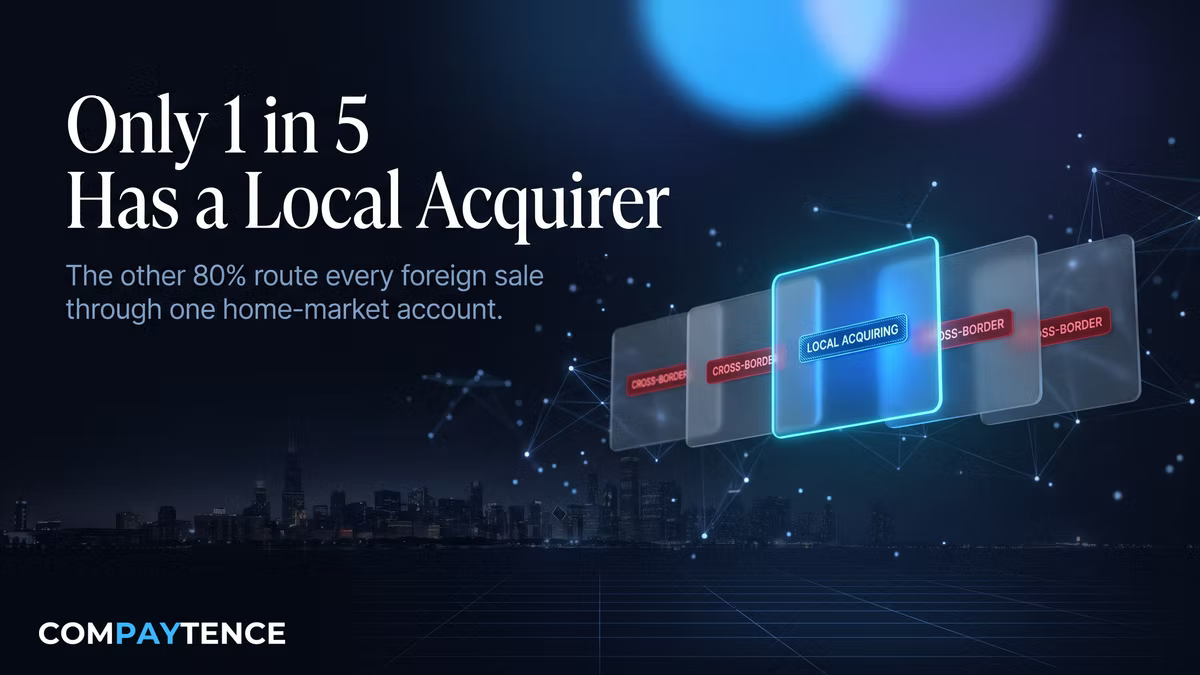
Cross-border payments are processed in the merchant's jurisdiction, leading to transactions that involve an issuing bank and an acquiring bank in different countries. This process isn't straightforward, as additional parties—such as payment gateways, corresponding banks, acquirers, and card networks—also play a role in the transaction. Each touchpoint adds to the fees and barriers of your cross-border payments.
The Challenges of Traditional Cross-border Processing
- High Fees: Cross-border transactions often face multiple fees from banks and card networks due to their perceived higher risk. Banks apply foreign exchange (FX) assessment fees ranging from 2% to 5%, which can lead to cart abandonment due to unexpected costs for buyers.
- Lower Approval Rates: Issuing banks and card networks may decline legitimate transactions because of the perceived risk, leading to false declines. This not only results in lost sales but also the potential loss of customers who turn to competitors.
- Additional Card Network Fees: Card networks impose assessment fees (between 1.45% - 2%) and interchange fees that vary based on several factors, including card type and processing method. These fees can quickly accumulate and diminish your profits.
The Cost Breakdown
Here's a breakdown of the interchange and assessment fees typically charged by Visa and Mastercard on cross-border transactions:
| | | |
| --- | --- | --- |
| Fees | Visa | Mastercard |
| Credit Assessment | 0.14% | 0.14% |
| Cross-border/International Assessment Fee | 1.40% | 1.00% |
| International Acquirer Fee/Acquirer Support Fee | 0.45% | 0.85% |
| Qualification Rate | 1.60% | 1.60% |
| PSP/Acquire Fee | 0.20% | 0.20% |
| Total Fees | 3.59% | 3.59% |
Reducing Cross-border Transaction Costs
If you're concerned about these costs and their impact on your bottom line, don't worry—there's a solution. We've partnered with a Merchant of Record network to unlock the benefits of local processing without the hassle and expense.
Benefits of Using Our Tailored PSP Setups
- Higher Approval Rates: These Networks allows transactions to be processed as local, increasing approval rates and reducing false declines.
- Local Payment Methods Without Local Entities: Accept local payments without the need to establish a foreign entity, simplifying operations.
- Reduced Processing Fees: Eliminate foreign transaction fees and lower overall processing fees by up to 50%.
- Wholesale FX Rates: Protect yourself and your customers from currency fluctuations with better cost-effectiveness.
Example of Cost Savings
Here's how our costs compare to traditional cross-border processing:
| | | | |
| --- | --- | --- | --- |
| Fees | Visa | Mastercard | Our Partners |
| Credit Assessment | 0.14% | 0.14% | 0.00% |
| Cross-border/International Assessment Fee | 1.40% | 1.00% | 0.00% |
| International Acquirer Fee/Acquirer Support Fee | 0.45% | 0.85% | 0.00% |
| Qualification Rate | 1.60% | 1.60% | 0.00% |
| PSP/Acquire Fee | 0.20% | 0.20% | 0.00% |
| Total Fees | 3.59% | 3.59% | 2.75% |
Conclusion
Expanding into global markets offers tremendous opportunities for online business owners and eCommerce entrepreneurs, but it requires careful consideration of the costs associated with cross-border transactions. By understanding these costs and leveraging our PSP platforms, you can capture more revenue in your desired markets and protect your bottom line.
Ready to go global? Reach out to us today and see the difference for yourself. Your bottom line will thank you!