The Compaytence Brief
Riding the Waves of Currency Fluctuations
Table of Contents:1. Understanding Currency Fluctuations2. The Domino Effect on Merchandise Trade3. Economic Growth & Currency Dynamics4. Capital Flows & Global Investments5. Inflation's Tug-of-War6. Interest Rates & Monetary Policy7. Global Impact of Currency Fluctuations8. The Asian Financial Crisis of 1997-19989. Navigating Japanese Yen Gyrations10. Euro Fears & Resilience11. Hedging Strategies for Currency Risk12. Causes of Currency Fluctuations13. Exploring the Risks of Currency Fluctuation

Skip to Main Content
Table of Contents:
- Understanding Currency Fluctuations
- The Domino Effect on Merchandise Trade
- Economic Growth & Currency Dynamics
- Capital Flows & Global Investments
- Inflation's Tug-of-War
- Interest Rates & Monetary Policy
- Global Impact of Currency Fluctuations
- The Asian Financial Crisis of 1997-1998
- Navigating Japanese Yen Gyrations
- Euro Fears & Resilience
- Hedging Strategies for Currency Risk
- Causes of Currency Fluctuations
- Exploring the Risks of Currency Fluctuations
- Final Thoughts
In the vibrant world of global trade, currency fluctuations often seem like mysterious waves that rise and fall without warning. For merchants, PSPs, entrepreneurs, and international business owners, understanding these fluctuations is crucial for steering their businesses toward success. Our blog helps to demystify currency fluctuations and highlight their impact on the economy, providing practical insights for businesses looking to thrive in an unpredictable global market.
Understanding Currency Fluctuations
Currency fluctuations occur when the value of a country's currency changes relative to another. These changes are driven by various factors, including supply and demand dynamics, economic performance, political stability, and market speculation. Understanding these fluctuations can help businesses make informed decisions and mitigate potential risks.
The Domino Effect on Merchandise Trade
Currency fluctuations play a significant role in merchandise trade, affecting both imports and exports. When a currency weakens, exports become cheaper for foreign buyers, boosting demand. Conversely, a stronger currency can make exports more expensive, reducing their competitiveness. Merchants must stay vigilant and adapt their pricing strategies to remain competitive in the global market.
Economic Growth and Currency Dynamics
A country's currency value directly influences its economic growth. A weaker currency can stimulate exports, contributing to increased GDP. However, a strong currency may hinder export growth and negatively impact economic expansion. Understanding the relationship between currency fluctuations and economic growth is vital for businesses seeking to align their strategies with market conditions.
Capital Flows and Global Investments
Currency stability is a critical factor in attracting foreign capital. Investors are more likely to invest in countries with stable currencies and dynamic economies. Foreign direct investment (FDI) and foreign portfolio investments are two primary types of capital flows influenced by currency stability. Businesses must consider these factors when planning international ventures and expanding their operations globally.

Inflation's Tug-of-War
Currency fluctuations can also impact inflation rates. A devalued currency can lead to "imported" inflation as the cost of imported goods rises. This increase in prices can affect consumers' purchasing power and overall economic stability. Businesses need to be aware of inflationary pressures when setting prices and managing costs.
Interest Rates and Monetary Policy
Exchange rates are closely tied to a country's monetary policy. Central banks consider currency levels when setting interest rates, as a strong currency can exert a drag on the economy. Businesses should monitor interest rate trends to anticipate potential changes in borrowing costs and investment decisions.
Global Impact of Currency Fluctuations
The forex market, with its vast trading volumes, often witnesses dramatic currency movements. Events like the Asian Financial Crisis and shifts in the Japanese yen showcase how currency fluctuations can have far-reaching effects on global economies. Understanding these events can provide valuable insights into managing currency-related risks and opportunities.
The Asian Financial Crisis of 1997-98
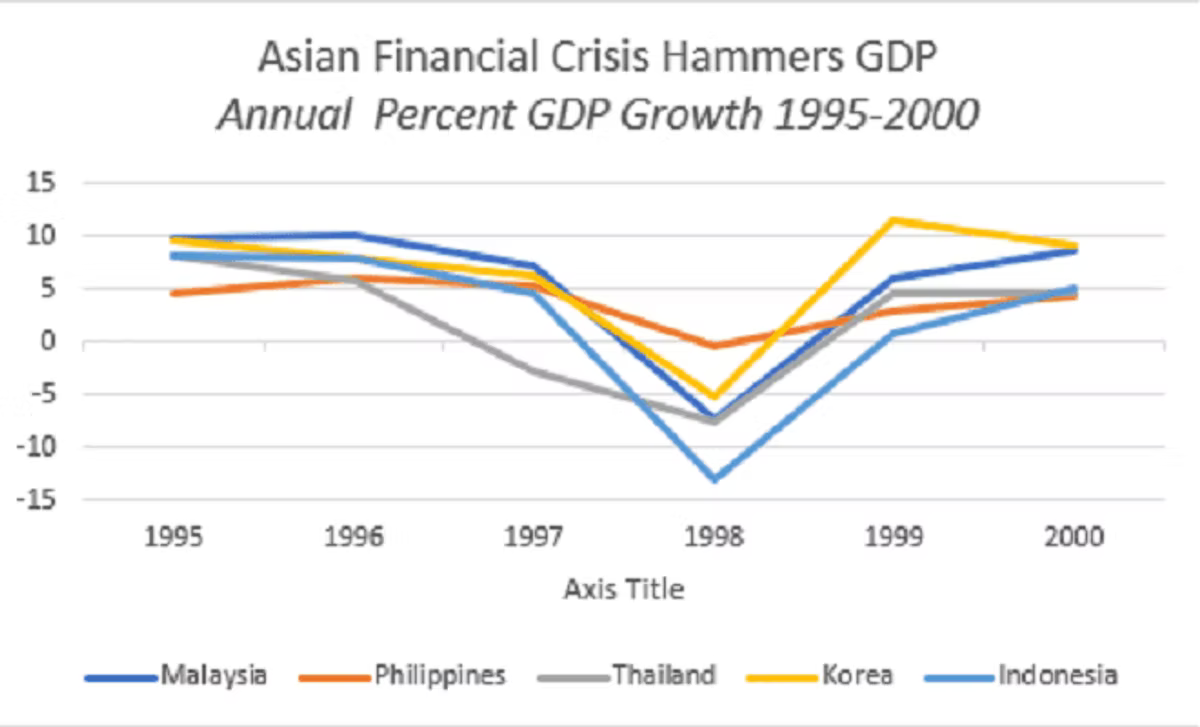
The Asian Financial Crisis serves as a cautionary tale of the havoc caused by adverse currency movements. The devaluation of the Thai baht set off a chain reaction, impacting neighboring countries and leading to economic contractions. Businesses can learn from this crisis by implementing risk management strategies to safeguard against similar scenarios.
Navigating Japanese Yen Gyrations
The Japanese yen's volatility between 2008 and 2013 highlights the importance of understanding currency dynamics. Traders favored the yen for carry trades, but as the global credit crunch intensified, the yen's appreciation impacted financial markets. Businesses can leverage these lessons to make informed decisions in times of currency turbulence.
Euro Fears and Resilience
Concerns about the euro's stability during the debt crisis underscore the need for businesses to adapt to changing market conditions. The euro's fluctuations had implications for trade and investment. Understanding regional currency dynamics can help businesses position themselves strategically in international markets.
Hedging Strategies for Currency Risk
To mitigate the risks associated with currency fluctuations, businesses can employ hedging strategies. Instruments like currency futures, forwards, and options offer protection against adverse currency movements. Implementing effective hedging strategies can help businesses safeguard their financial stability and maintain a competitive edge.
Causes of Currency Fluctuations
At its core, currency fluctuations are driven by changes in supply and demand. Economic performance, geopolitical events, and market sentiment all influence currency values. Businesses should stay informed about these factors to anticipate potential currency movements and adjust their strategies accordingly.
Exploring the Risks of Currency Fluctuations
Currency fluctuations pose risks for businesses with significant exposure to foreign markets. These risks include exchange rate losses, reduced competitiveness, and potential disruptions to supply chains. By understanding these risks, businesses can proactively manage their currency exposure and minimize adverse impacts.
Feel free to reach out to us regarding any information you need navigating around payments. Access our network of 30+ years of Payments expertise:
Close