The Compaytence Brief
Nuvei Joins EPI: A Strategic Alliance to Shape Europe's Evolving Payments Landscape
By Compaytence Global Payments Editorial Team May 16, 2025In a decisive move that reflects the shifting priorities within Europe’s financial infrastructure, Canadian fintech Nuvei has announced its membership in the European Payments Initiative (EPI). With this announcement, Nuvei becomes one of the first payment providers to offer support for Wero, the digital wallet developed under the EPI framework to simplify and localize digital transactions across the continent.This development reflects gr

By Compaytence Global Payments Editorial Team May 16, 2025
In a decisive move that reflects the shifting priorities within Europe’s financial infrastructure, Canadian fintech Nuvei has announced its membership in the European Payments Initiative (EPI). With this announcement, Nuvei becomes one of the first payment providers to offer support for Wero, the digital wallet developed under the EPI framework to simplify and localize digital transactions across the continent.
This development reflects growing momentum behind a Europe-led payments ecosystem—one that is increasingly defined by efforts to enhance regional control, streamline cross-border commerce, and reduce dependence on non-European platforms.
Wero and the EPI: A New Layer in European Payments

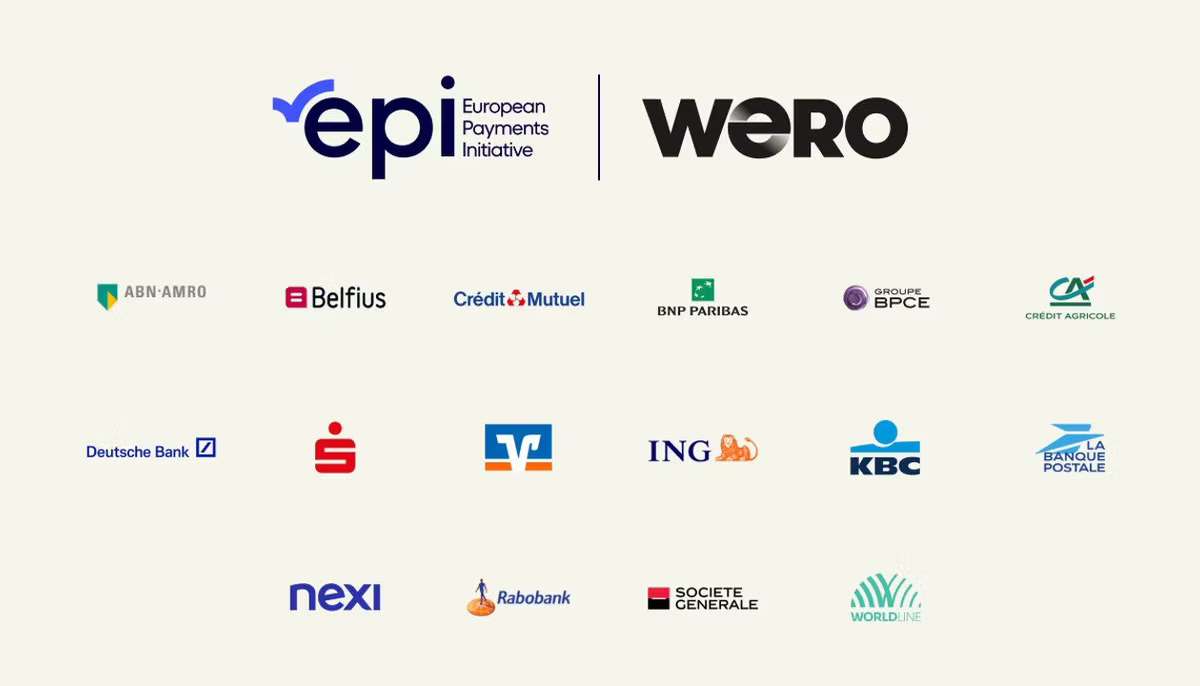
The European Payments Initiative, backed by 16 major banks and payment service providers, was created to address a long-standing fragmentation in Europe’s retail payments space. At the center of the project is Wero, a digital wallet built on instant account-to-account (A2A) transfers via SEPA Instant Credit Transfer (SCT Inst) protocols. Wero enables near-instant payments using identifiers like mobile numbers or QR codes, bypassing traditional card networks entirely.
Since its initial launch in Germany, France, and Belgium in late 2024, Wero has already attracted more than 40 million users. With upcoming expansion into the Netherlands and Luxembourg, the wallet will soon introduce features like Buy Now Pay Later (BNPL), merchant loyalty programs, and tools for managing recurring payments—all designed to offer a streamlined, pan-European payment experience.

Beyond its technical capabilities, Wero reflects a broader shift in thinking among European policymakers and financial institutions. Christine Lagarde, President of the European Central Bank, has called attention to the strategic risks of relying on infrastructure controlled by American and Chinese companies. The ambition behind Wero is to change that equation.
Nuvei’s Integration: Access Without Complexity
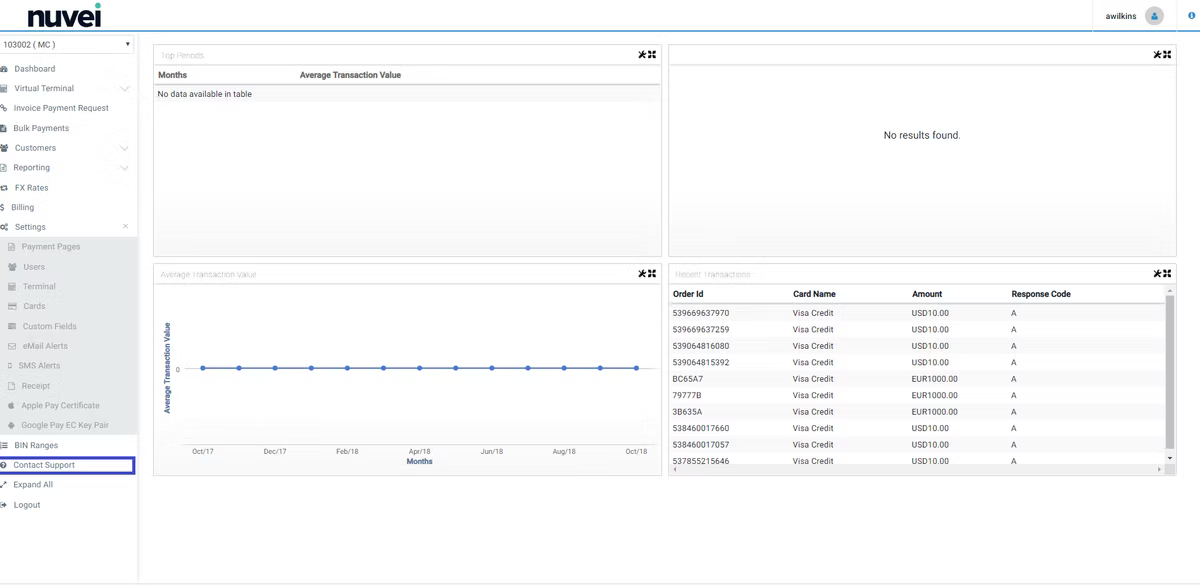
By partnering with EPI, Nuvei gives merchants early access to Wero through its existing, unified payments platform. Pilot programs begin this month, with general availability expected by September 2025.
This integration means that ecommerce businesses using Nuvei won’t need to make separate technical arrangements to offer Wero as a payment option. The feature becomes part of Nuvei’s broader offering, which spans over 720 alternative payment methods (APMs) and local acquiring in 50 markets.

According to Nuvei Chair and CEO Philip Fayer:
> “Europe is actively seeking greater payment sovereignty and consumer-centric solutions, and Wero directly addresses these strategic imperatives. By integrating Wero into our platform early, we are empowering our merchant partners to capitalize on emerging payment trends and deliver preferred local payment experiences at scale.”
Compaytence Perspective: Watch This Space
At Compaytence, we see this development as part of a broader transformation across Europe’s payment landscape. The EPI and Wero do not yet present a clear-cut challenge to incumbent card networks—but they introduce a viable path toward greater diversity in how digital payments are initiated and settled across the EU.
For merchants operating in European markets, Wero is not a required addition—but it may become an increasingly relevant one. Adoption will depend on continued user growth, seamless integration, and merchant-friendly economics. The situation deserves close observation.
We encourage global merchants to remain aware of the strategic signals coming from European regulators and financial institutions. Payments in Europe are evolving, not just in terms of infrastructure, but also in policy and consumer behavior. Platforms that are able to adapt to local trends and offer payment experiences tailored to each region’s preferences will stand out.
Looking Ahead: Flexibility as a Competitive Advantage
Wero’s future will be shaped by user trust, merchant readiness, and the ability to deliver a smooth experience across contexts. What we are witnessing now is an early-stage transition, not a wholesale replacement.
For fintechs like Nuvei, and for merchants exploring new strategies, agility remains the strongest asset. The ability to integrate quickly, test new rails, and respond to regional developments without overhauling infrastructure will be essential as the European payments story unfolds.
As a partner to globally scaling businesses, Compaytence remains focused on helping clients stay ahead of these developments—building resilient payment architectures that accommodate both today's dominant methods and tomorrow’s rising alternatives.