The Compaytence Brief
Mastercard One Credential vs. Visa Flexible Credential: The battle for Next-Gen Payments
How Mastercard One Credential WorksWhy Mastercard Is Targeting Gen ZKey Players Behind One CredentialVisa vs. Mastercard: Two Competing Visions for Payment FlexibilityWhat This Means for Merchants and BusinessesCompaytence: New Expert Sessions to Help Businesses ScaleFinal Thoughts: The Future of Payment FlexibilityThe payments industry is undergoing a major shift, and Mastercard is making its latest move with the launch of One Credential, a program designed to streamline and personalize the way

The payments industry is undergoing a major shift, and Mastercard is making its latest move with the launch of One Credential, a program designed to streamline and personalize the way consumers manage their payments. This initiative comes just months after Visa introduced Flexible Credential in November 2024, positioning these two programs in direct competition.
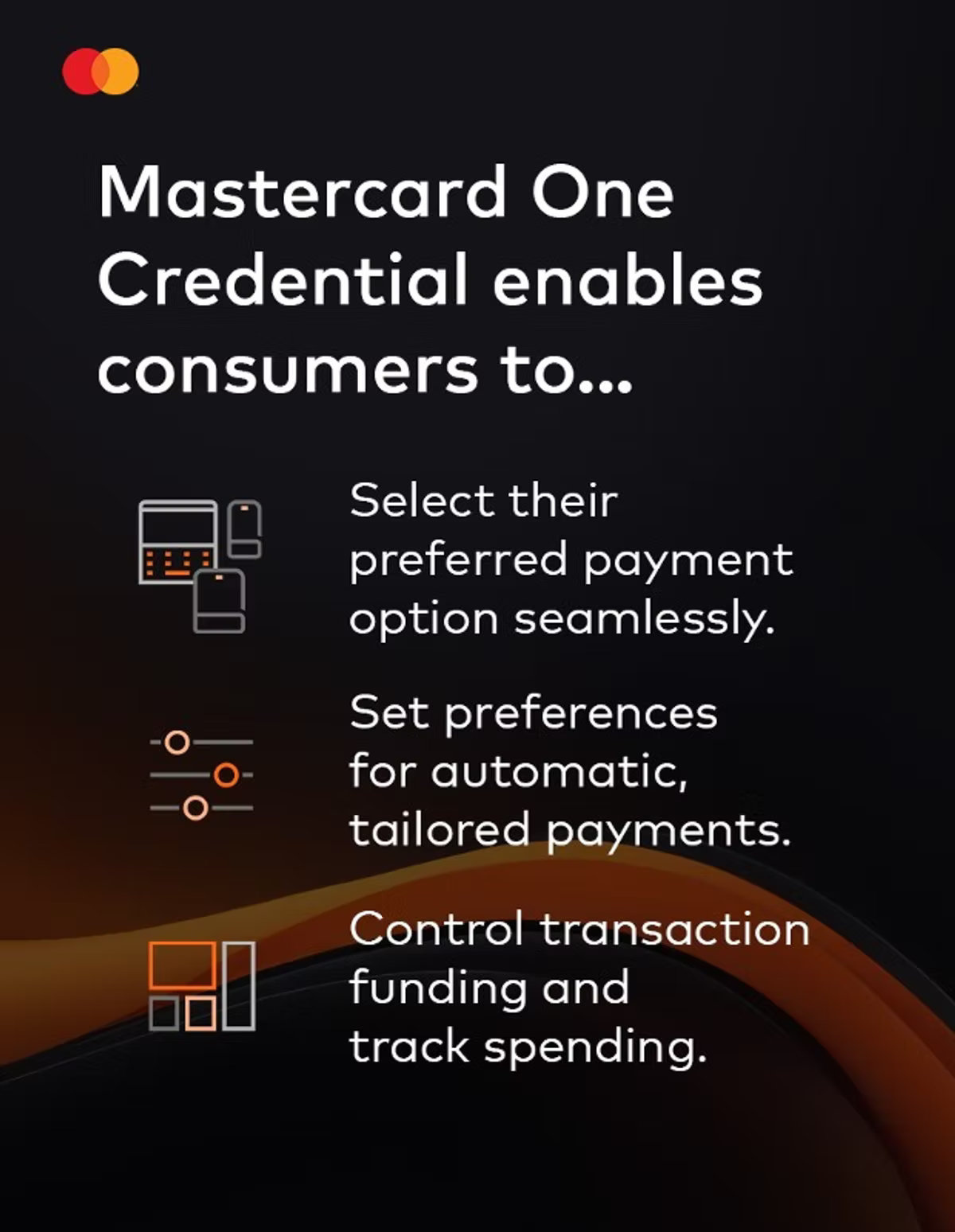
Mastercard’s One Credential provides a single, digitally connected payment credential that allows users to link multiple payment methods—credit, debit, prepaid, and installments—while setting predefined rules for how each transaction is funded. This approach contrasts with Visa’s Flexible Credential, which allows users to select their payment method at the moment of purchase.
Visa’s early success has been notable, with over a million accounts opened within the first six months. Now, the industry will be watching to see if Mastercard’s approach, which offers more automation and financial management tools, resonates with consumers—particularly Gen Z, a demographic increasingly seeking digital-first financial solutions.

How Mastercard One Credential Works
One Credential is designed to give users:
- A single, consolidated payment experience that integrates multiple payment methods
- The ability to preset rules for spending, such as automatically using debit for small purchases, credit for larger ones, and installments for major expenses
- An overview of spending habits through a dedicated app
- Tools to manage and improve credit
This structured approach may appeal to users who prefer automation in financial management, ensuring that transactions align with their personal spending habits without requiring constant manual adjustments.
Why Mastercard Is Targeting Gen Z
Mastercard is positioning One Credential as a solution for Gen Z consumers, who are reshaping the financial landscape with their preferences for digital-first, highly customizable banking experiences. Research highlights:
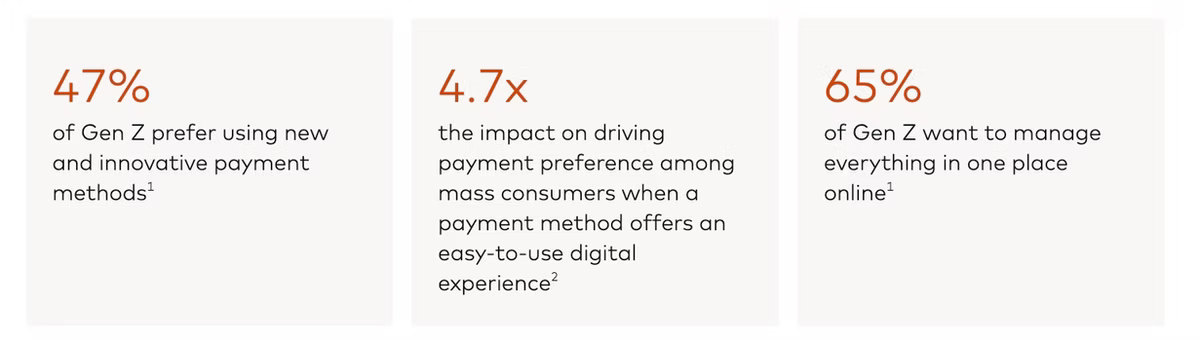
- 47% of Gen Z prefer using new payment methods over traditional banking options (Afterpay, 2023)
- 65% want to manage everything in one place (Experian, 2024)
- 60% live paycheck to paycheck, making financial flexibility a top priority (PYMNTS, 2023)
- Average credit score of 679, the lowest among all generations (Experian, 2024)
With these trends in mind, One Credential is designed not just for convenience, but also to provide financial wellness tools that can help young consumers build credit and manage spending effectively.
Key Players Behind One Credential
Mastercard has partnered with major fintech and banking companies to bring this program to market, ensuring strong infrastructure and seamless integration across different financial platforms. Notable partners include:
- Bendigo & Adelaide Bank – One of Australia’s most trusted banks
- Episode Six – A leader in enterprise-grade payment processing
- Galileo Financial Technologies – A SoFi-owned financial technology company
- i2c, Inc. – A top provider of banking and payments technology
- Lithic – A financial technology platform specializing in card solutions
- Marqeta – A modern card-issuing platform supporting embedded finance
- Wio Bank – A UAE-based digital banking platform where One Credential is already live
These partnerships indicate that Mastercard is aiming for a broad global rollout, with early adoption in regions like the UAE before expanding further.
Visa vs. Mastercard: Two Competing Visions for Payment Flexibility
The key difference between the two programs lies in how payment decisions are made:
- Visa Flexible Credential allows users to select their payment method at checkout, providing real-time flexibility.
- Mastercard One Credential requires users to set spending rules in advance, ensuring a more automated and structured approach.
Visa’s early success with over one million accounts in six months suggests strong consumer interest in flexible payment options. Mastercard’s bet is that preset automation and financial management tools will offer a better long-term solution, especially for Gen Z users focused on improving their financial health.
What This Means for Merchants and Businesses
For businesses, both programs signal a shift in how consumers want to pay. Offering multiple payment options within a single credential could drive higher conversion rates, reduce abandoned transactions, and provide a better user experience for digital-first customers.
It also highlights the growing importance of embedded finance, as financial institutions and fintechs compete to offer seamless, customizable payment solutions.

Compaytence: New Expert Sessions to Help Businesses Scale
At Compaytence, we are committed to providing in-depth insights and expert knowledge to help businesses grow in today’s evolving payment landscape. Our latest Expert Sessions inside the Compaytence Academy and on our YouTube channel feature industry leaders sharing actionable strategies for business success.
- Shan Abbasi – Unlocking the Full Potential of Stripe & Payment Processing Strategies Shan Abbasi, a recognized authority in payments, breaks down how to optimize Stripe accounts, reduce chargebacks, and navigate payment holds. This session is essential for businesses looking to improve their transaction success rates and maintain seamless payment flows.
- Alex Fedotoff – Scaling E-Commerce Brands with High-Performance Marketing Alex Fedotoff, a leading expert in digital marketing and e-commerce growth, shares his framework for scaling online stores through strategic Facebook and Google Ads, conversion optimization, and customer acquisition.
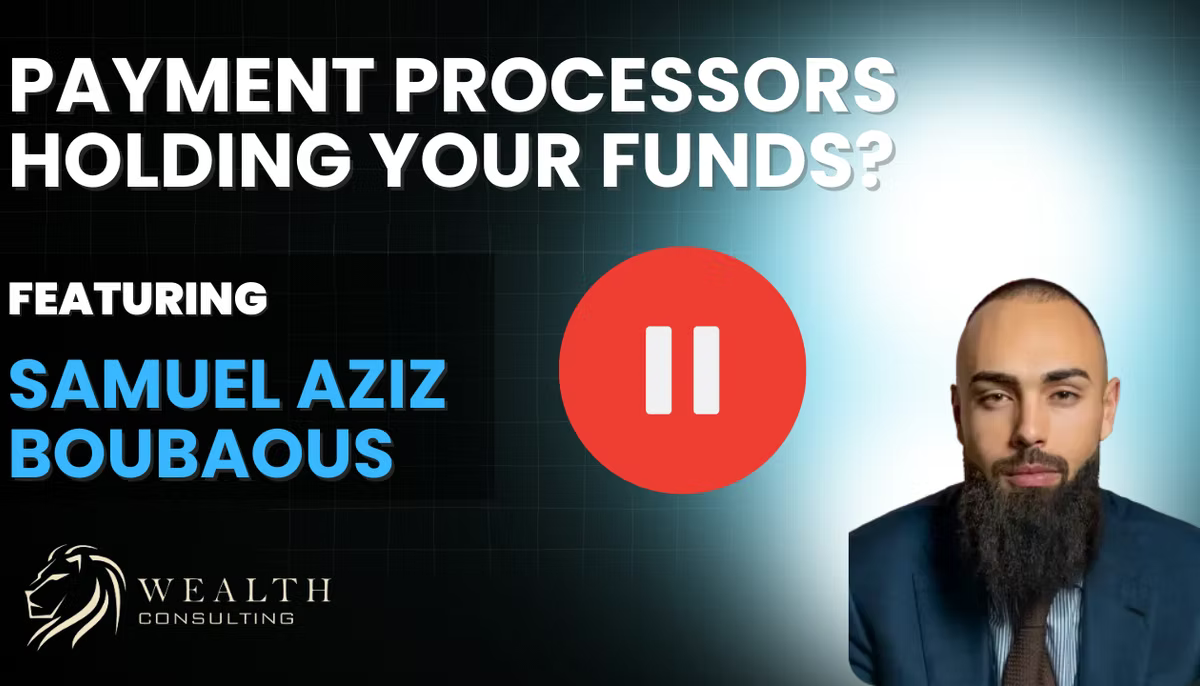
- Samuel Abdul Aziz Baobaous – Mastering Banking & Financial Infrastructure for Online Businesses Samuel Abdul Aziz Baobaous meets with Compaytence cofounder, Michael Ramsey to discuss deep insights into banking solutions for global merchants, covering topics like offshore banking, high-risk merchant accounts, and navigating complex financial regulations.
These sessions are designed to provide practical knowledge and proven strategies to help entrepreneurs and businesses navigate the challenges of payments, marketing, and banking.
Final Thoughts: The Future of Payment Flexibility
Visa and Mastercard’s latest innovations represent a major shift toward customizable, digital-first payment solutions. Whether consumers prefer real-time payment decisions or automated spending rules, both programs highlight a growing demand for more control over how transactions are processed.
Businesses and financial institutions must stay ahead of these changes to meet evolving consumer expectations. Mastercard’s One Credential and Visa’s Flexible Credential may just be the beginning of a new era in payments, where personalization and flexibility take center stage.
To stay informed on how these trends affect your business, check out our latest Compaytence Expert Sessions and YouTube content—and make sure your payment strategy is ready for the future.