The Compaytence Brief
Local Acquiring vs. Cross-Border for Merchants
Table of Contents1. Understanding Acquiring in the Digital Age2. The Role of Licenses in Acquiring3. Cross-border Transactions Explored4. Local Acquiring & Its Advantages5. Why Local Processing Isn't Universal6. Strategically Choosing Your Path7. The Path Forward With Strategic Partnerships8. ConclusionThe dawn of digital commerce has opened up a world of possibilities for online business owners and merchants. Yet, with these opportunities come intricate challenges, especially when navigating th

Table of Contents
- Understanding Acquiring in the Digital Age
- The Role of Licenses in Acquiring
- Cross-border Transactions Explored
- Local Acquiring & Its Advantages
- Why Local Processing Isn't Universal
- Strategically Choosing Your Path
- The Path Forward With Strategic Partnerships
- Conclusion
The dawn of digital commerce has opened up a world of possibilities for online business owners and merchants. Yet, with these opportunities come intricate challenges, especially when navigating the complex world of payment processing. Whether you're a small online shop or a large e-commerce platform, understanding the difference between local acquiring and cross-border transactions is essential for maximizing your sales and minimizing costs.
Join us as we explore the nuances of local acquiring versus cross-border transactions, shedding light on what this means for your business growth and global reach.
Understanding Acquiring in the Digital Age
Before we dissect local versus cross-border processing, let's start at square one—understanding what acquiring is all about. An acquirer is essentially a bank or financial institution that processes credit and debit card payments on behalf of businesses. It acts as an intermediary, sending purchase authorization requests through card networks like Visa and Mastercard to the customer's bank.
When your business wishes to accept card payments, it must partner with an acquiring bank. This partnership is crucial, as the acquirer ensures the money from transactions gets transferred securely to your account or informs you if a request has been declined.
The Role of Licenses in Acquiring
Acquirers are regulated entities, and they operate under specific licenses issued country by country. For instance, if an acquirer wants to process credit card payments for a business in the US, it must possess a US license. Similarly, a UK license is necessary for processing payments for UK-based businesses.
This regulatory framework allows acquirers to contract only with businesses based in the countries where they hold licenses. A US-licensed acquirer cannot process transactions for a UK-based business, and vice versa. This works seamlessly when your customer base is confined to the acquirer's licensed region, but complexities arise when dealing with international shoppers.
Cross-Border Transactions Explored
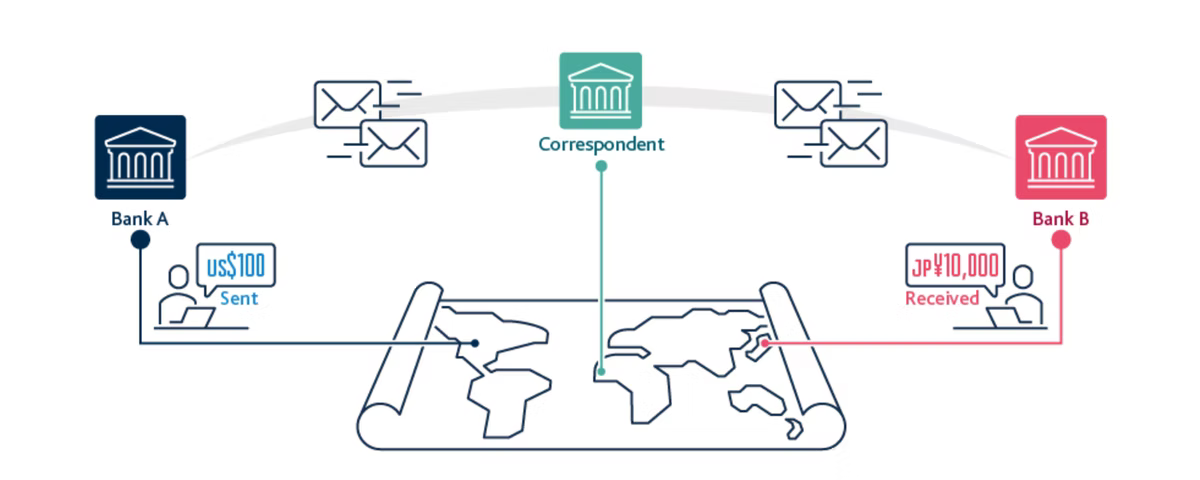
Imagine you're a US-based business, and a shopper from the UK wants to purchase from your site. Here's how a cross-border transaction unfolds:
- The Request Initiated: Your acquirer, based in the US, sends an authorization request to the UK customer's bank.
- Potential Hurdles: The UK bank may be unfamiliar with your US acquirer, which can lead to confusion due to differing data formats. Furthermore, such transactions are often flagged as higher risk, increasing the likelihood of denial.
- Fees for the Customer: Even if the transaction is approved, the customer might face foreign transaction fees, making their purchase more expensive.
Cross-border transactions, while possible, can experience higher decline rates and introduce unexpected costs for your customers.
Local Acquiring and Its Advantages
Conversely, let's consider a local transaction scenario:
- Smoother Pathway: A UK shopper buying from your site triggers a request via a local UK acquirer. The authorization message aligns perfectly with the bank's requirements.
- Successful Transactions: The transaction is processed as local, reducing risks and leading to a higher success rate.
- Cost and Customer Satisfaction: Local transactions generally boast lower processing costs and eliminate foreign transaction fees, enhancing customer satisfaction.
Why Local Processing Isn't Universal
With such clear advantages, why doesn't every business opt for local processing? The answer lies in the logistical hurdles:
- Local Presence Required: To process locally, businesses need a local operation, bank account, and legal entity within the customer's country.
- High Costs and Complexity: Setting up a foreign subsidiary is often cost-prohibitive and complex, making it unfeasible for many businesses.
Strategically Choosing Your Path
Making the choice between local acquiring and cross-border processing hinges on your business needs and capabilities. For some, the investment in local operations may be justified by the potential gains in transaction success rates and customer experience. For others, partnering with experts who can facilitate local processing without the need for a physical presence might be more practical.
The Path Forward with Strategic Partnerships
While the challenges of local processing are evident, there are solutions available that can ease the transition. By working with Compaytence and their partners who offer Merchant of Record models, businesses can tap into local processing power while sidestepping the associated costs and complexities.
These partners handle compliance, taxes, and other intricacies, allowing your business to focus on what it does best—meeting customer needs and expanding its reach.
Conclusion
In the evolving landscape of global commerce, understanding the intricacies of payment processing is essential for any online merchant. Local acquiring offers higher success rates and cost savings but requires a significant investment in local infrastructure. Cross-border transactions, while more accessible, can face challenges like higher decline rates and customer fees.
Ultimately, the right approach for your business will depend on your unique situation and goals. By leveraging strategic partnerships and expert guidance, you can position your business to thrive in the global market, ensuring seamless transactions and satisfied customers.
Whether you’re just starting or looking to expand your international footprint, exploring these options thoughtfully can significantly impact your success in the world of e-commerce.