The Compaytence Brief
From Chat to Checkout: PayPal’s Play for the AI Economy
“It’s a whole new paradigm for shopping,” said Alex Chriss, CEO of PayPal, as the company unveiled a partnership with OpenAI that could reshape how consumers buy online.The deal will embed PayPal’s digital wallet directly inside ChatGPT, allowing users to purchase items they discover through conversations. A new “Buy with PayPal” button will appear in the app, giving shoppers a seamless, protected checkout experience. Behind the interface, PayPal will manage merchant verification, payment routin
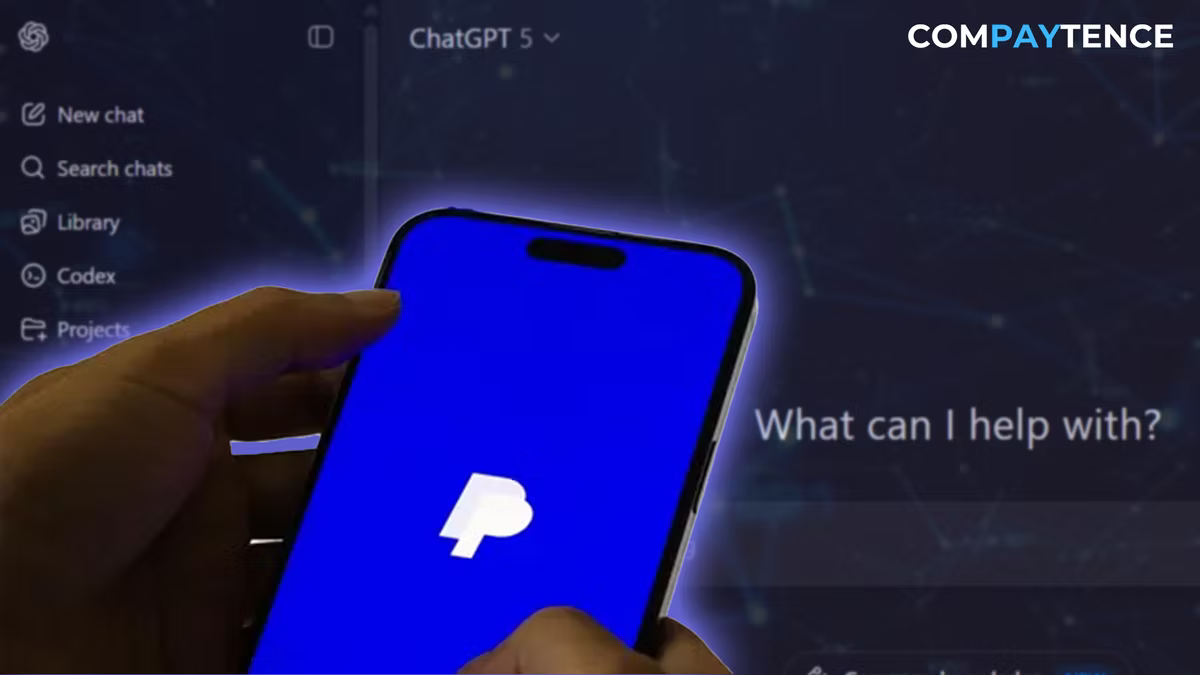
“It’s a whole new paradigm for shopping,” said Alex Chriss, CEO of PayPal, as the company unveiled a partnership with OpenAI that could reshape how consumers buy online.
The deal will embed PayPal’s digital wallet directly inside ChatGPT, allowing users to purchase items they discover through conversations. A new “Buy with PayPal” button will appear in the app, giving shoppers a seamless, protected checkout experience. Behind the interface, PayPal will manage merchant verification, payment routing, and fraud protection—so sellers can appear on ChatGPT without separate agreements or integrations.
The company says users will maintain all of PayPal’s existing protections, including package tracking and dispute resolution. In short, ChatGPT becomes a storefront, and PayPal becomes the invisible infrastructure that moves money safely between AI-assisted buyers and sellers.
The Architecture of Agentic Commerce
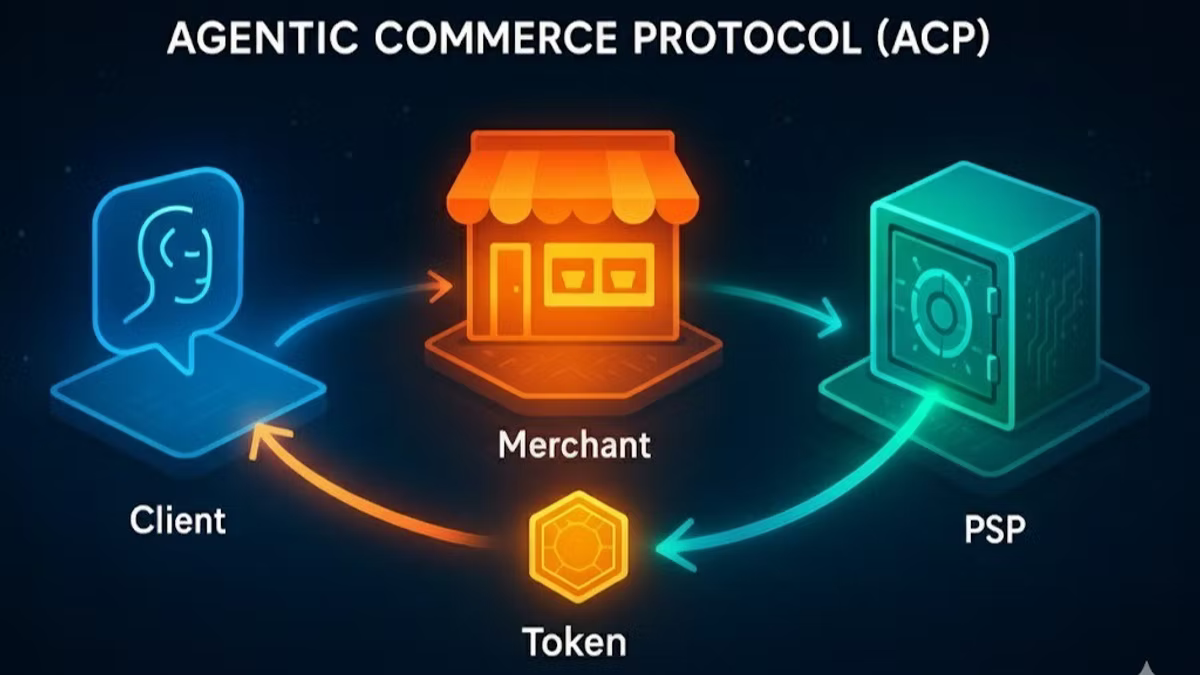
OpenAI’s “Instant Checkout” and its new Agentic Commerce Protocol (ACP) are building the foundations for a world where conversational AI becomes a full retail layer. ACP allows merchants to make their products discoverable across AI apps, while PayPal’s implementation will connect its global merchant network directly to ChatGPT.
In 2026, the ACP integration will bring product catalogs from PayPal’s ecosystem—spanning apparel, beauty, home improvement, and electronics—directly into ChatGPT searches. A small business using PayPal could automatically have its inventory surfaced to millions of AI users, while PayPal handles the orchestration of payments behind the scenes.
Chriss described the collaboration as a way to merge discovery and checkout: “Hundreds of millions of people turn to ChatGPT each week for help with everyday tasks, including finding products they love, and over 400 million use PayPal to shop.”
The idea is simple but significant: conversational interfaces are becoming commercial ones.
The Misnamed Wallet
PayPal’s announcement leans heavily on its “digital wallet,” but that term has always been more branding than precision. A wallet, by definition, is a place where currency is stored and managed directly—physical or digital custody over funds.
PayPal, by contrast, functions as a payments processor. It connects bank accounts, cards, and merchants through an intermediary system, but users don’t hold digital currency in the same way they would with Apple Cash, Venmo balances, or crypto wallets. The company moves money; it doesn’t store it.
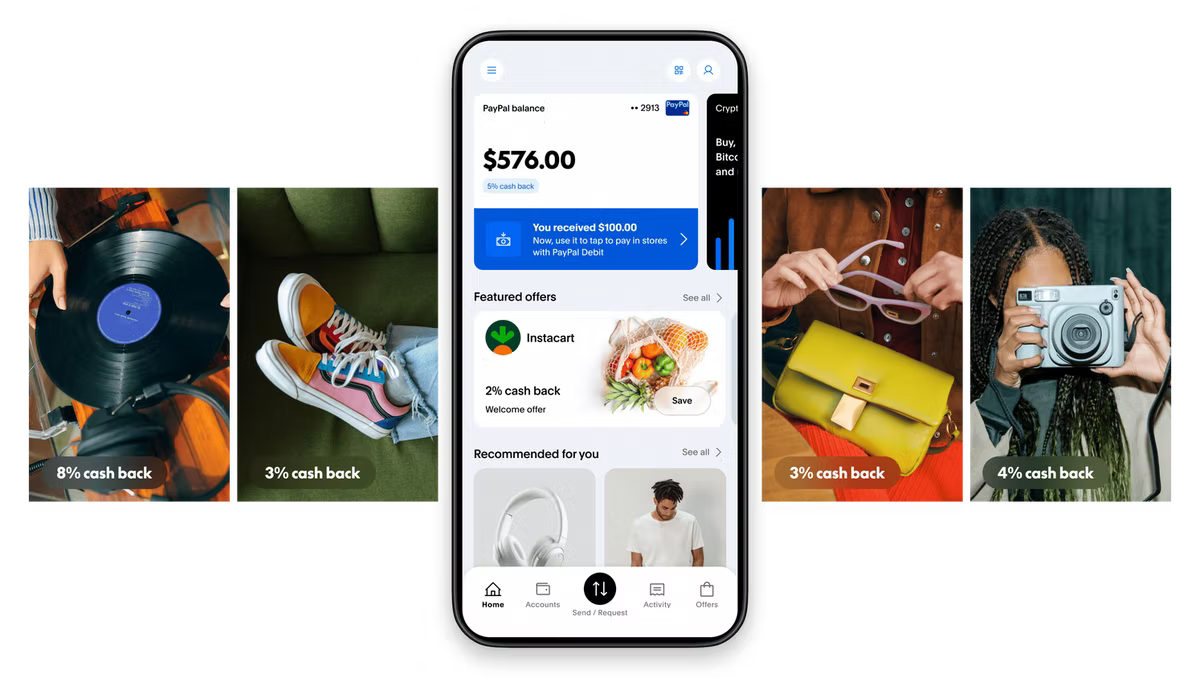
That distinction matters. As AI-driven commerce expands, control over where value actually resides—in the app, the wallet, or the network—will shape which companies become the true gateways to digital economies. PayPal’s strength lies not in custody but in trust infrastructure: identity verification, compliance, and purchase protection at global scale.
The Strategic Layer
The partnership with OpenAI coincides with a strong quarter for PayPal: 7 percent revenue growth, 458 billion dollars in total payment volume, and a raised earnings forecast for 2025. The company also introduced its first-ever dividend, signaling confidence to investors after several challenging years.
PayPal isn’t chasing novelty for its own sake. The company is trying to secure a position inside the next user interface for commerce—one built on conversation, recommendation, and intent, rather than websites or search engines.
It’s also deepening its own AI capabilities internally. PayPal plans to scale access to ChatGPT Enterprise for all 24,000 employees and integrate OpenAI’s Codex to speed product cycles. Chriss framed it as a company learning to use AI as both a platform and a partner.
A Broader Context
The move comes as tech companies reposition around AI’s economic layer. OpenAI has already struck e-commerce integrations with Shopify, Etsy, and Walmart, while competitors like Stripe are building their own wallet-like products for one-click checkout.
PayPal’s approach is different: it’s betting on distribution through AI agents rather than app ecosystems. By linking its merchant network to ChatGPT, PayPal becomes less a payment brand and more a protocol—one that could quietly underpin how digital commerce functions when interfaces disappear behind language models.
What Comes Next
The PayPal–OpenAI partnership signals a shift in how commerce will operate in an AI-first world. The digital wallet that once revolutionized eBay now wants to power transactions where no website is ever visited, no cart ever filled—only intent expressed through conversation.
For PayPal, the goal is to be indispensable in this next phase of the internet: not the wallet you carry, but the rail your transactions run on.