The Compaytence Brief
Circle and Onafriq Target $5B in Payment Inefficiencies Across Africa
Compaytence Briefing:In a move with serious implications for the future of payments in Africa, Circle, the U.S. fintech behind the stablecoin USDC, has partnered with Onafriq, Africa’s largest digital payments gateway. The goal: reduce the staggering $5 billion in annual fees Africans pay to move money across their own continent.The initiative will pilot USDC settlements within Onafriq’s network, which spans 500 million mobile wallets and 200 million bank accounts across over 40 countries.This i
Skip to Main Content
Compaytence Briefing:
In a move with serious implications for the future of payments in Africa, Circle, the U.S. fintech behind the stablecoin USDC, has partnered with Onafriq, Africa’s largest digital payments gateway. The goal: reduce the staggering $5 billion in annual fees Africans pay to move money across their own continent.
The initiative will pilot USDC settlements within Onafriq’s network, which spans 500 million mobile wallets and 200 million bank accounts across over 40 countries.
This infrastructure is designed to target one of the continent’s most persistent financial challenges: intra-African payments that flow through Europe or the U.S. before reaching a neighboring country.
80% of Payments Leave the Continent to Come Back Again
Today, over 80% of intra-African cross-border payments are routed through correspondent banks outside the continent and settled in foreign currencies like the dollar or euro. The detour introduces delays, currency conversion losses, and unnecessary fees.
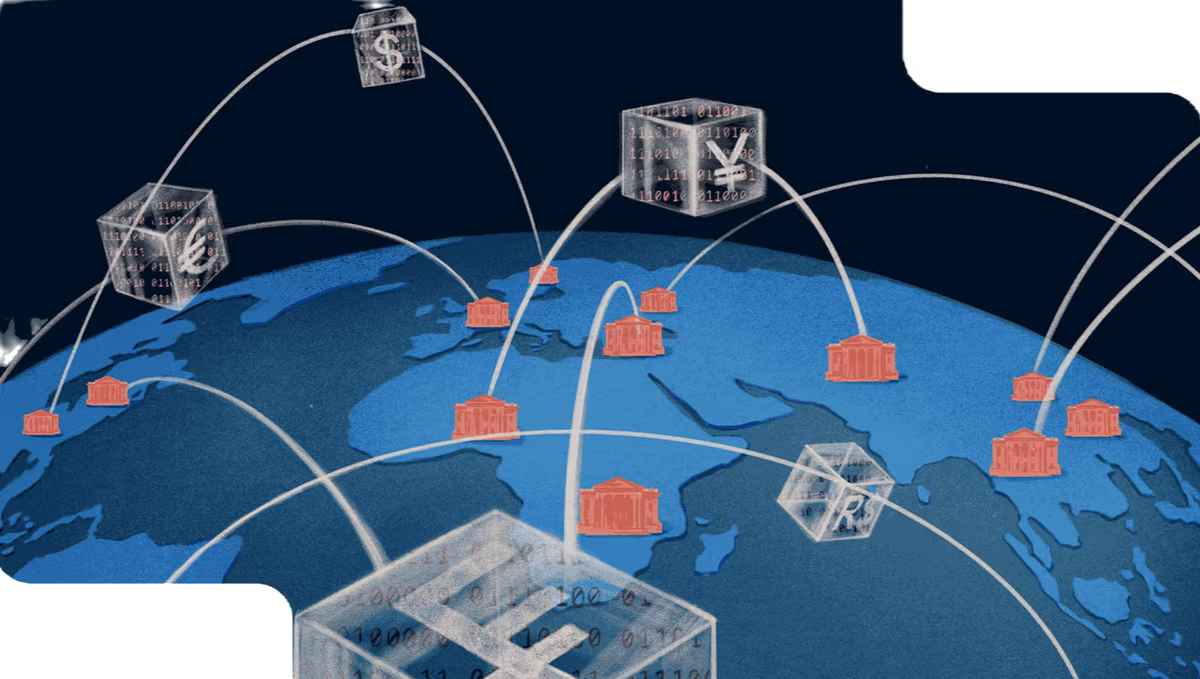
That dynamic has persisted not due to lack of will or demand, but because legacy banking systems were never designed with African interoperability in mind. As the cost of inefficiency continues to grow, newer financial rails are emerging to offer something better.
USDC as a Direct Settlement Layer
Circle’s USDC, a fully backed digital dollar stablecoin, offers the predictability of fiat with the transfer speed and programmability of blockchain. Its integration into Onafriq’s system is expected to enable faster, lower-cost cross-border payments without routing funds through external banking networks.
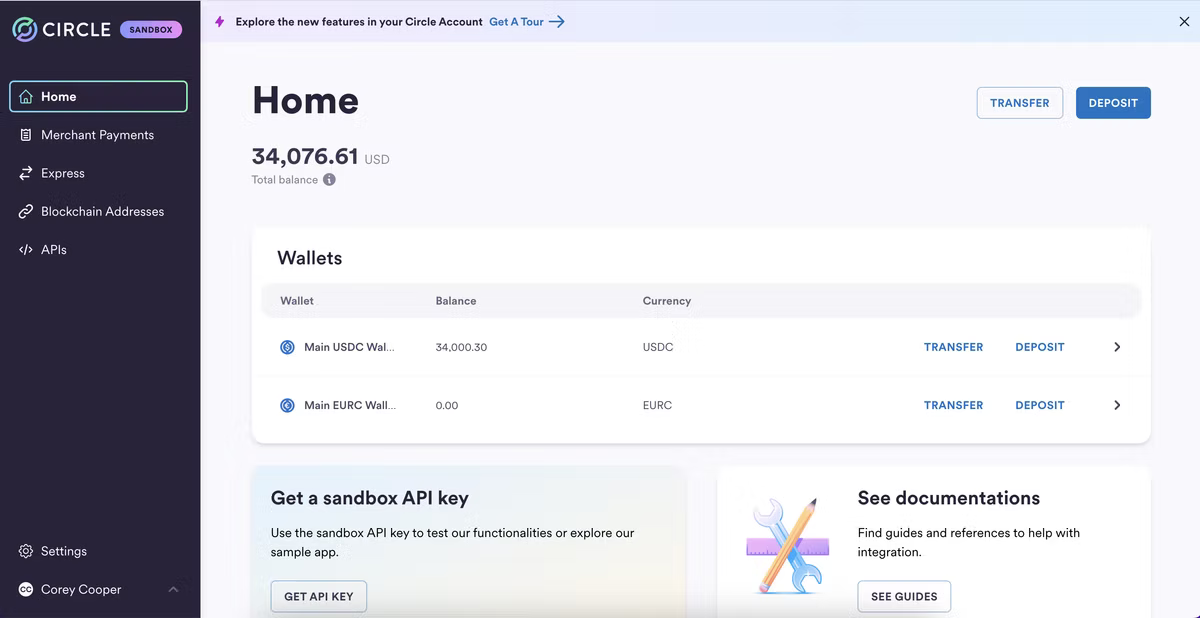
The pilot will test USDC for institutional and retail settlements across Onafriq’s multichannel network, which supports not just mobile money and bank accounts but also card issuing, agency banking, and treasury services.
Miriam Kiwan, Vice President for the Middle East and Africa at Circle, said many African markets are ideal for stablecoin adoption, especially in areas underserved by banks.
Infrastructure That Aligns With Regulation
Circle is approaching this partnership with a regulatory-first mindset. It recently received in-principle approval from the Financial Services Regulatory Authority of Abu Dhabi, positioning it as a compliant operator in one of the world’s key fintech corridors.
This partnership will also be supported by the Circle Payments Network, a consortium of more than 20 partners, including World Remit, Yellow Card, and Fireblocks, designed to streamline global transfers through stablecoins.

Compaytence Perspective: Stablecoins Are Becoming Infrastructure
We are not seeing the speculative use of crypto, but the application of blockchain where it makes the most sense: fragmented, high-cost financial ecosystems. The strength of this partnership lies in its alignment with actual market pain points and its potential to deliver measurable economic value.
At Compaytence, where we specialize in optimizing payment strategies for global businesses, we’ve often seen how outdated systems can limit opportunity. Whether it's eCommerce payouts, treasury movement, or multi-market vendor payments, speed and cost still determine reach.
This initiative from Circle and Onafriq is part of a broader evolution. Stablecoins are no longer just digital assets; they are becoming core infrastructure for emerging market finance. And Africa—mobile-first, digitally ambitious, and economically dynamic—is leading that shift in a way that’s pragmatic, compliant, and impact-driven.
Close